Blinds are one of the most practical ways to control daylight, improve privacy and give windows a clean, finished appearance. Depending on the style you choose, they can make a room feel minimal and modern, soft and decorative, more comfortable throughout the day or better protected from outside heat.
They are especially useful for compact windows, apartments, kitchens, home offices and spaces where full-length curtains may not be practical. From reducing harsh sunlight to maintaining privacy without completely darkening a room, the right blind can make a noticeable difference to how a space looks and functions.
However, every blind works differently. Roller blinds offer clean and simple operation, Roman blinds bring the softness of fabric, zebra blinds provide greater flexibility over daylight and privacy, while honeycomb blinds are designed to improve insulation and indoor comfort.
Understanding these differences can help you select a blind that not only complements your interiors but also works comfortably in everyday life.

The Direct Answer: Which Type of Blind Should You Choose?
Choose roller blinds if you want a clean, practical and space-efficient window treatment.
Choose Roman blinds if you want a softer, more decorative fabric look with structured folds.
Choose zebra blinds if adjustable daylight and privacy control are your main priorities.
Choose honeycomb blinds if you want a lightweight, modern blind that can help reduce heat transfer and improve insulation around the window.
The best option ultimately depends on the window size, direction of sunlight, privacy requirements, available mounting space and how frequently the blind will be operated.
At D’Moksha, our stylists consider these practical factors before recommending a blind. Instead of selecting one style for every window, the aim is to identify which treatment will make each room more comfortable, functional and visually balanced.
Why Choosing the Right Blinds Matters
Blinds are not only window coverings. They influence how much natural light enters the room, how private the space feels and how comfortably the window can be used throughout the day.
A bedroom may need protection from early morning sunlight and complete privacy after dark. A home office may require glare control without losing natural brightness. A kitchen may benefit from a compact, easy-to-maintain treatment, while a living room may need something that balances privacy with a more polished design.
Rooms with large windows or strong afternoon sunlight may also require better insulation. Since glass can allow significant heat to enter or escape, the structure of the blind can influence how comfortable the space feels.
The right window blinds should help you:
-
Manage harsh or direct sunlight
-
Improve privacy without unnecessarily darkening the room
-
Reduce glare on television and computer screens
-
Make smaller windows look cleaner and more complete
-
Complement the furniture and interior style
-
Improve comfort around windows exposed to strong heat
-
Create a more restful or functional atmosphere
When these needs are understood clearly, choosing between roller, Roman, zebra and honeycomb blinds becomes much easier.

1. Roller Blinds: Clean, Practical and Space-Efficient
Ever wondered why roller blinds are one of the most popular window treatments in modern homes?
Their appeal lies in their simplicity. A single sheet of fabric rolls neatly around a slim tube fitted above the window. When lowered, it creates a clean, streamlined finish. When raised, it stays compact and allows the window to feel open and uncluttered.
This minimalist design makes roller blinds ideal for homeowners who want practical light control without making the room feel visually heavy.

How Roller Blinds Work
Roller blinds can be operated manually through a side chain or automatically through a motorised mechanism. The fabric moves vertically and wraps neatly around the upper tube when raised, keeping the window clean and uncluttered.
Their compact design makes them especially suitable for bedrooms, kitchens, study rooms, home offices, children’s rooms and smaller apartments. Motorised roller blinds can also be a practical choice for large or hard-to-reach windows.

Benefits of Roller Blinds
Roller blinds are available in different materials to suit varying light, privacy and design requirements. Blackout fabrics can create a more restful bedroom, while textured fabrics add warmth and work well in contemporary living spaces.
They can also be layered behind full-length curtains, allowing the blind to manage light and privacy while the curtains add softness and visual height. For homeowners who want simple operation, dependable light control and a minimal finish, roller blinds are one of the most practical choices.
2. Roman Blinds: Soft, Structured and Decorative
Few window treatments transform a room as effortlessly as Roman blinds. As they are raised, the fabric gathers into neat horizontal folds that remain visible at the top, adding softness, texture and a tailored, layered look

How Roman Blinds Work
Roman blinds use a fabric panel supported by an internal cord and rod system. When raised, the fabric forms structured folds; when lowered, it creates a smoother panel across the window.
Their decorative appearance makes them especially suitable for bedrooms, living rooms, dining areas, reading corners, bay windows and smaller windows where full-length curtains may not be practical.
Why Roman Blinds Feel More Decorative
Roman blinds can be made in fabrics that coordinate with upholstery, cushions, bedding, curtains or the room’s overall colour palette. A textured neutral can add warmth to a minimal bedroom, while a patterned fabric can bring character to a dining area or reading corner.
Choosing the right fabric weight, lining and fold depth is important for achieving clean, balanced folds. When planned correctly, Roman blinds offer a soft, premium finish and make the window feel like an intentional part of the room’s design.

3. Zebra Blinds: Flexible Light and Privacy Control
Zebra blinds, also known as day-and-night blinds, are designed for homes where daylight and privacy requirements change throughout the day.
They are made using alternating horizontal bands of sheer and opaque material. By slightly adjusting the blind, these bands can be aligned or overlapped.
This allows you to control light without fully opening or closing the blind.

How Zebra Blinds Work
Zebra blinds use a continuous loop of striped material. When the sheer bands align, filtered light enters the room; when the opaque bands overlap, the blind provides greater privacy and reduces brightness.
This makes them especially suitable for living rooms, bedrooms, home offices and apartments facing nearby buildings, where you may want natural light during the day and more privacy in the evening.

Benefits of Zebra Blinds
The greatest advantage of zebra blinds is flexibility. They help reduce glare, manage privacy and maintain a clean, contemporary look without requiring the blind to be raised completely.
For a more refined residential finish, matte textures, soft neutrals and subtle stripe combinations usually work best. In spaces where daylight and privacy requirements shift throughout the day, zebra blinds offer a level of control that standard blinds cannot.
4. Honeycomb Blinds: Lightweight, Insulating and Comfortable
What if your blinds could do more than simply control light and privacy?
Honeycomb blinds are designed with a distinctive cellular structure that creates small pockets of air within the fabric. When viewed from the side, these cells resemble a honeycomb, which is how the blind gets its name.
These air pockets form an additional layer between the window and the room, helping reduce the movement of heat through the glass. This can make honeycomb blinds particularly useful for windows that receive strong sunlight or rooms where maintaining a comfortable indoor temperature is important.

How Honeycomb Blinds Work
When lowered, the cellular structure expands across the window. When raised, the lightweight material folds neatly into a compact stack at the top.
Their insulating design makes them especially suitable for bedrooms, nurseries, home offices, sun-facing rooms, large glass windows and air-conditioned spaces where indoor comfort is a priority.

Benefits of Honeycomb Blinds
Honeycomb blinds are available in light-filtering and blackout options. Light-filtering fabrics soften harsh daylight while maintaining privacy, while blackout options are better suited to bedrooms, nurseries and media rooms.
Their lightweight, streamlined appearance works well in contemporary interiors. For homeowners who want privacy, controlled daylight and improved insulation without making the window feel visually heavy, honeycomb blinds offer a highly practical solution.
Roller vs Roman vs Zebra vs Honeycomb Blinds

Which Blind Is Best for Each Room?
Blinds for Bedrooms
Bedrooms usually need privacy, comfort and better control over early morning light.
Blackout roller blinds are practical for creating a darker sleeping environment. Roman blinds with lining are ideal when you want both privacy and a softer, more premium finish.
Honeycomb blinds can work especially well in bedrooms that receive strong sunlight or become warm during the day. Blackout honeycomb blinds can combine light reduction with the insulating benefit of their cellular construction.
Zebra blinds may be considered when adjustable daytime light is important, although the stripes should be positioned correctly for greater privacy at night.
Blinds for Living Rooms
Living rooms need a balance of daylight, privacy and aesthetics.
Roman blinds can make the room feel warmer and more thoughtfully designed. Zebra blinds are useful when you want to adjust daylight throughout the day, while roller blinds can provide a clean base behind decorative curtains.
Honeycomb blinds are suitable for living rooms with large or sun-facing windows where indoor comfort is a priority. Their understated appearance also works well in minimal contemporary interiors...
Blinds for Children’s Rooms and Nurseries
Children’s rooms often require better light control, privacy and indoor comfort.
Blackout roller blinds are a straightforward option, while honeycomb blinds can provide a soft, lightweight appearance with better insulation around the window.
The operating system should be chosen with safety in mind. Cordless or motorised mechanisms can reduce the presence of loose operating chains in children’s spaces.
Blinds for Small Windows
Roman blinds can turn a small window into a deliberate design feature. Roller blinds offer a more understated option when you want the window to feel clean and uncluttered.
The right choice depends on whether you want the window to stand out or blend quietly into the space.
Should You Combine Curtains and Blinds?
Combining blinds with curtains can provide both practical control and decorative softness.
A roller blind can manage direct sunlight, while full-length curtains make the room feel taller and more complete. Roman blinds can be paired with side curtains in formal bedrooms or living rooms, while zebra blinds can be layered with curtains for additional nighttime privacy.
Honeycomb blinds can also be paired with curtains when you want insulation and light control from the blind, along with the softness and visual height of full-length fabric.
The combination should be planned according to the window size, track position, available wall space and overall interior style.
When designed correctly, curtains and blinds work together rather than competing with each other.
How D’Moksha Helps You Choose the Right Blinds
At D’Moksha, choosing blinds begins with understanding the room rather than immediately selecting a product.
Our stylists visit your home and assess the window size, direction of sunlight, privacy requirements, furniture placement, interior style and daily routine. This helps determine whether a roller blind, Roman blind, zebra blind, honeycomb blind or a combination of curtains and blinds would work best for each specific window.
For example, one bedroom may benefit from blackout roller blinds, while another may feel more complete with lined Roman blinds. A living room facing another building may need zebra blinds for flexible daytime privacy, while a sun-facing or air-conditioned room may benefit from the insulating cellular structure of honeycomb blinds.
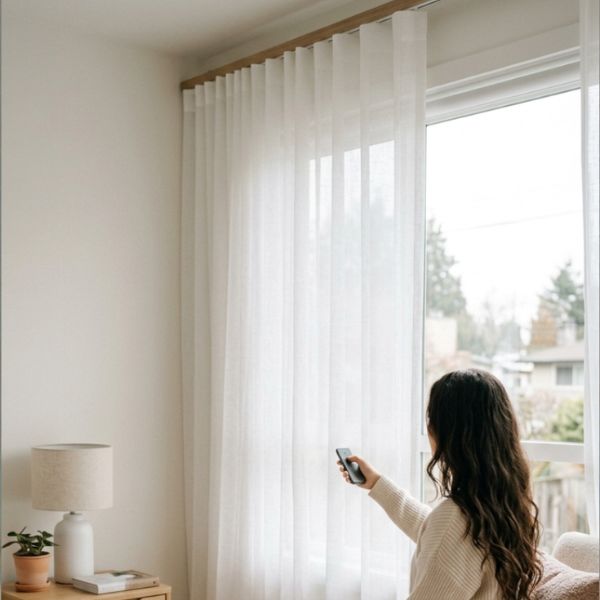
For larger, taller or hard-to-reach windows, our stylists may also recommend motorised blinds for easier everyday operation. The blind size, weight, mounting space and electrical requirements are considered in advance to ensure the system operates smoothly through a remote, app or compatible smart-home setup.
Measurements, material weight, mounting position and operating mechanism are all planned before the blinds are finalised. The result is a window treatment that does more than look attractive on the day of installation—it makes the room easier, more comfortable and more enjoyable to use every day.
Book your free at-home consultation with D’Moksha to explore customised roller blinds, Roman blinds, zebra blinds, honeycomb blinds, motorised blinds and curtain solutions for your home.